Friday, 25 May 2012

Heart Attack – Causes


Also known as myocardial infarction, cardiac infarction or coronary thrombosis, heart attack occurs when the heart muscle does not have enough blood supply. This depleted supply of blood is usually due to a blood clot in any of the blood vessels that lead to the coronary arteries (blood vessels that supply blood and oxygen to the heart muscle).

During a heart attack, the patient may suffer from chest pain and chest pressure sensation. If blood flow is not restored to the heart muscle within a span of 20-40 minutes, the death of the heart muscle will be irreversible. Here are the three major causes of heart attack.

Coronary Artery Disease
Most heart attacks are caused due to coronary artery disease (CAD). CAD refers to the building up of a fatty substance called plaque on the inner walls of the coronary arteries. With increase in plaque, the artery walls thicken while the arteries become narrow. This process is called atherosclerosis. The accumulating plaque can either completely block the coronary artery or can rupture to form a blood clot. These will ultimately amount to a heart attack.

Coronary Microvascular Disease
Coronary microvascular disease (MVD) occurs when rather than the larger coronary arteries, the heart’s microscopic blood vessels are affected. This can be caused by building up of plaque in these tiny arteries, spasms in the arteries or damage to artery walls. Coronary MVD is believed to be more common in women as compared to men.

Coronary Artery Spasm
A coronary artery spasm occurs when a severe spasm or contraction of the muscle occurs in the wall of one of the coronary arteries. This can restrict or block the flow of blood to the heart. This is usually a rare cause of heart attack.

Given below are some of the causative factors of CAD, MVD and Coronary Artery Spasm:

Age – With increase in age, the risk of having a heart attack rises. For men, the age after which they should be careful is 45, while for women it is 55.

Diabetes – Diabetics are more prone to have heart diseases.

Smoking – Regular and heavy smokers run a higher risk of a heart attack compared to non-smokers and those who quit.

Cholesterol level – People with high blood cholesterol levels have a higher risk of developing blood clots in the coronary arteries.

Diet and obesity – Consumption of large quantities of saturated fat and animal fat on a regular basis leads to increase in cholesterol level which in turn leads to a heart attack.

Physical inactivity – A sedentary life without much exercise may lead to various heart problems.

Hypertension – People with high blood pressure are more prone to heart attacks.

Heredity – A person with a strong family history of heart disease is more prone to a heart attack. There is ample evidence to prove that this is true.


Heart Attack – Ayurvedic Medicines


Heart is the most vital organ of the body that is not only responsible for circulation and pumping of blood to all parts of the body but also controls and monitor our emotions as well. When blood flow gets restricted to a certain section of the heart muscle, it does not receive adequate oxygen and begins to die. This is called a heart attack. The restricted blood flow may be due to a blood clot in the coronary arteries or due to the narrowing down of arteries.

Ayurveda believes in regulating diet and one’s lifestyle in order to keep the heart healthy. Listed here are a few ayurvedic medicines that are effective against heart attack and help in keeping the heart healthy.

Abana
Himalaya Healthcare’s Abana lowers cholesterol levels and thus protects against heart attacks. Some of the ingredients are Arjuna (Terminalia Arjuna), Ashvagandha (Withania Somnifera),  Badranj Boya (Nepeta Hindostana), etc.

Dilguard Capsules
Made from natural herbs, Dilguard Capsules strengthen the heart muscles and lower cholesterol levels. It also reduces high blood pressure and cleanses the blood by removing toxins from it. It contains herbs such as Ashwagandha and Brahmi that relaxes the body and reduces stress levels.

Cardocare Capsules
Cardocare Capsules keeps away all kinds of heart ailments such as heart attack, congestive heart failure, angina pectoris, atherosclerosis, etc. It increases vascular output and improves blood circulation by regulating the oxygen level in the blood. Apart from this, it also increases the count of red blood cells.

Guggul Supplements
Guggul (Commiphora Mukul) is considered to have potent purifying and rejuvenating powers. It is also known to lower blood cholesterol levels. It also acts as a blood detoxifier. Guggul Supplements can be taken as a heart tonic to strengthen the heart.

Garlic Supplements
Vast research has proved the effectiveness of garlic in preventing heart ailments. It lowers the total cholesterol and also the level of bad cholesterol. If taken over a period of time, garlic supplements also have the ability to dissolve accumulated plaque from the coronary arteries.

Terminalia Arjuna Supplements
Arjuna is regarded as one of the best herbs for heart health. Terminalia Arjuna Supplements strengthen the cardiac muscles and improves the heart’s pumping activity. It reduces cholesterol levels and hypertension. 


10 Do’s and Don’ts in Heart Attack


Heart attack affects millions of people all over the world every year. Unfortunately due to various factors such as unhealthy lifestyle, smoking, etc. the occurrence of this heart disease is increasing daily. But the good news is that heart attack can be kept at bay by making an attempt to keep the heart healthy.

A few key steps for maintaining a healthy heart are given here. Follow these do’s and don’ts and keep away heart attack:

1.    Do Eat Healthy
One of the biggest risk factors is an unhealthy diet. Try avoiding fatty foods and food that is rich in cholesterol. Consume lots of green leafy vegetables and fresh fruits, fibre, lean protein and plenty of water.

2.    Do Exercise Regularly
A heavier body puts more strain on the heart. Exercising regularly helps to lose weight and strengthens the heart muscles.  Exercising also helps in lowering blood pressure levels, cholesterol levels and helps in relieving stress.

3.    Do Take Aspiring Regularly
Aspirin is a natural blood thinner that is obtained from the bark of the white willow tree. As it thins the blood, it prevents the arteries from getting blocked and thus prevents heart attack. Ask your doctor before taking aspirin as it might not be safe for everyone.

4.    Do Reduce Intake of Salt
Reducing salt intake can reduce the risk of heart attack as salt contributes to rise in blood pressure level. Apart from this, it also boosts the effects of blood pressure lowering agents and reduces complications that are associated with diabetes, obesity, etc.

5.    Do Control Blood Pressure Level
People with high blood pressure are more prone to get a heart attack. This is because high blood pressure puts more force against the artery walls which damage the arteries. This leads to the narrowing of the arteries which ultimately leads to coronary artery disease.

6.    Do Reduce Cholesterol Level
Increased level of cholesterol in the blood leads to the accumulation of cholesterol on the artery walls. Due to this, the arteries become narrow and the blood does not flow properly to the heart muscle. This might culminate into a heart attack.

7.    Do Get a Good Sleep
According to a study, there is a plausible link between sleep duration and risk of heart attack. It is believed that people who sleep for less than seven and a half hours a night may be at a greater risk. So make sure than you get a good night’s sleep.

8.    Don’t Smoke
Smoking on a regular basis increases fatty deposits in the arteries and thus narrows and hardens the arteries. Try reducing number of cigarettes per day or if possible, quit smoking for good.

9.    Don’t Consume Alcohol
Consuming alcohol regularly makes you put on weight which in turn is harmful for the heart. Try to reduce the consumption of alcohol for a healthy heart.

10. Don’t Take Stress
When under excess stress, the body tends to release chemicals that cause blood pressure and the heart rate to increase. It also begins a set of actions in the body that lead to plaque formation. It is thus advised to reduce stress by stress reduction techniques such as meditation, yoga, laughing, swimming, massage, etc.

Thursday, 24 May 2012

To treat or not to treat: Antibiotics not always best for sinus infection


Every year, more than 37 million Americans suffer from at least one episode of sinusitis. Typically, the symptoms include nasal congestion, runny nose and pressure or pain felt behind the eyes or teeth. These symptoms are caused by inflammation and infection of the sinuses.
The sinuses are air-filled spaces located behind the forehead, nose, cheeks and eyes. Normally, mucus drains from the sinus, while air is able to circulate within them. When the sinus opening becomes blocked, bacteria and germs can easily become overgrown, resulting in infection and discomfort.
Conditions that can put you at risk for developing a sinus infection include diseases which increase mucus production or a physical block of the sinus, such as a polyp. Allergies, which affect more than 67 million Americans each year, can also increase your risk. While we are no longer experiencing unseasonably warm weather, March’s early heat wave resulted in higher than normal pollen counts and is having lingering effects for those who suffer from seasonal allergies.
While one’s initial instinct might be to request antibiotics, growing research is showing that this is rarely the best course of action. A recent study in the Journal of the American Medical Association evaluated the efficacy of antibiotic treatment for sinus infection and found no difference in symptoms in those treated with antibiotics as compared to those who were given a placebo. This is because the vast majority of sinus infections are caused by viruses. In fact, only 2 percent of episodes are due to bacteria, which are the target of antibiotic medications. Antibiotics, unfortunately, are useless against viral sinus infections.
Viral infections are typically self-limited and the mainstay of therapy is symptom relief. Staying hydrated is key, because it helps thin the mucus and promotes drainage. Drinking warm non-caffeinated beverages helps keep you hydrated and can soothe a sore throat, while the steam helps loosen mucus. Over-the-counter medications, like ibuprofen or naproxen will help reduce pain and inflammation, while decongestants can help ease congestion.
The presence of green mucus is only a sign of infection -- not the cause. The white blood cells of your immune system contain greenish-colored components, which in a large number, can color the mucus with a greenish hue. These cells are present regardless of whether your infection is bacterial or viral.
Taking antibiotics “just in case” is not harmless and can result in an upset stomach, rash, or even a life-threatening allergic reactions. On a population level, the volume of antibiotics prescribed is a major factor in the increasing rates of bacterial resistance. In the U.S., over 70 percent of hospital-acquired infections involve bacteria resistant to at least one antibiotic. This trend is making it more difficult to treat infections that were once simple to cure.
When you suspect a sinus infection, the best course of action is to consult your doctor, so that he or she can determine whether or not antibiotics are appropriate. If your symptoms persist for longer than 10 days or get worse, you may require antibiotics. If you experience a change in vision, a sustained fever higher than 101°F, or confusion, it is important to seek medical care immediately, as these could be signs of a more concerning condition.
Dr. David B. Samadi is the Vice Chairman of the Department of Urology and Chief of Robotics and Minimally Invasive Surgery at the Mount Sinai School of Medicine in New York City. He is a board-certified urologist, specializing in the diagnosis and treatment of urological disease, with a focus on robotic prostate cancer treatments. To learn more please visit his websites RoboticOncology.com and SMART-surgery.com. Find Dr. Samadi on Facebook.

Whooping cough epidemic declared in Wash. state


whooping cough.jpg
Washington state's worst outbreak of whooping cough in decades has prompted health officials to declare an epidemic, seek help from federal experts and urge residents to get vaccinated amid worry that cases of the highly contagious disease could spike much higher.
It's the first state to declare a whooping cough, or pertussis, epidemic since 2010, when California had more than 9,000 cases, including 10 deaths. Washington has had 10 times the cases reported in 2011, and so has Wisconsin with nearly 2,000 cases this year, though that state has not declared an epidemic.
California responded to its crisis two years ago with a public information campaign, readily available vaccines and a new law requiring a booster shot for middle- and high-school students. Doctors were urged to spot whooping cough early, send infected babies to the hospital and promptly treat those diagnosed. In 2011, the number of cases there dropped significantly.
In Washington, about 1,280 cases have been reported in 2012, and officials believe the state could see as many as 3,000 cases by year's end. Health Secretary Mary Selecky declared the epidemic April 3, and since then officials have bought up the vaccine and made it available for free for people who don't have insurance.
State officials have asked hospitals to vaccinate every adult who goes home with a new baby, and urged businesses to encourage their employees to get the adult booster shot. Washington already requires a booster shot for middle- and high-school students.
Last week, Gov. Chris Gregoire announced the state is putting $90,000 into a public awareness campaign and diverting some federal money to pay for 27,000 doses of vaccine. The state has also asked the Centers for Disease Control and Prevention to send a special team of investigators and an epidemiologist to the Washington.
State epidemic declarations are up to the states; there are no federal regulations for such decisions. Selecky said this is the first time in her 13 years on the job she has declared a state epidemic, but felt she needed to take action to stop the disease from spreading further.
"When we've looked historically, we've seen nothing like this," she said. "We're taking this very seriously."
Adults and teens need booster shots so they don't give pertussis to the babies in their lives, said CDC spokeswoman Alison Patti
"We want to create a cocoon of protection around them," she said. "We're really worried about keeping babies safe."
Pertussis is known as whooping cough because of the "whooping" sound people often make while gasping for air after a coughing fit. A highly contagious bacterial disease, it starts off like a cold but leads to severe coughing that can last for weeks. In rare cases, it can be fatal.
Until routine child vaccination became widespread in the 1940s, pertussis caused thousands of fatalities each year in the United States. While deaths are uncommon today, they still occur: In recent weeks, infants in New Mexico and Idaho have died from the disease.
Because the adult booster for pertussis — called Tdap for tetanus, diphtheria and acellular pertussis — has only been available since 2005, fewer than one in 10 adults have gotten the shot and most don't even know they need it. The numbers are better for teens: about 70 percent have received a booster shot. Most people do not find out they even need a booster until they go to the doctor for a tetanus shot, Patti said.
Patti emphasized that pertussis isn't spreading because of an anti-vaccine movement. Among possible reasons for the recent spike are that diagnoses in teens and adults are getting better and doctors are doing a better job with reporting, she added
Health officials say the disease tends to return in three-to-five-year cycles.
"The incidents tend to oscillate," said Herbert Hethcote, a professor emeritus from the University of Iowa who is a specialist in mathematical modeling of the spread of infectious diseases,
He said the growth of pertussis in Washington state has followed a pattern: As the population ages, the immunity level goes down because the vaccine is wearing off. The disease spreads and the cases grow until more people get the vaccine and the numbers go down again.
Hethcote said his daughter had whooping cough as an adult during the last spike of cases in Washington, four or five years ago. She coughed so hard she broke a rib and was sick for more than a month, he recalls. She never found out how she caught it but the experience raised awareness in his family that pertussis is not just a children's disease.

Blood test may help identify kids' smoke exposure, study finds


Smoking
More than half of the children who took part in a study on exposure to cigarette smoke tested positive for such exposure, despite only a handful of their parents admitting to lighting up, according to a U.S. study.
Parents may think their children are exposed only if they're around someone actively smoking a cigarette, or are unaware of where else their children may be breathing in smoke - but a blood test may help identify and reduce smoke exposure, said researchers at the University of California, San Francisco.
Secondhand smoke exposure in children has been tied to sudden infant death syndrome, respiratory problems, ear infections and asthma.
"What the test does is allow the doctor, in consultation with the parent, to figure out the source of exposure and then to eliminate it," said Jonathan Winickoff, an associate professor of pediatrics at Massachusetts General Hospital for Children in Boston.
Winickoff, who co-wrote an editorial accompanying the study in the Archives of Pediatrics & Adolescent Medicine, told Reuters Health the test can also identify if a child is being exposed to smoke without the parent realizing it, such as by living in an apartment building where smoking is allowed.
The researchers tested 496 blood samples left over from children, most aged one to four, to determine how many of them were exposed to secondhand smoke. The blood samples were initially taken at San Francisco General Hospital to test for lead exposure between November 2009 and March 2010.
The researchers tested the blood for cotinine, a chemical produced by the body after it is exposed to nicotine.
Overall, 55 percent of the blood samples had a measurable amount of cotinine, which meant those children had been exposed to smoke within the previous three to four days.
Only 13 percent of parents, however, admitted that their child had been exposed to secondhand smoke.
"I think parents do not understand the various sources of potential exposure," said Neal Benowitz, one of the study's co-authors.
The researchers reported that some parents may also believe a child has to be around someone who is smoking to be exposed - but that is not the case.
For example, children still get the effects of secondhand smoke if they spend time in a room where someone recently smoked.
Benowitz and his colleagues said testing children for cotinine could ultimately prevent diseases brought on by secondhand smoke exposure by helping detect the source.
"Once you know there is exposure then you can talk to the parent," he added.
Testing for cotinine is currently not readily available to the general public, but Winickoff said the best approach would be to integrate cotinine testing with routine testing for lead.

Stable Cell Line Generation Using Lentivirus

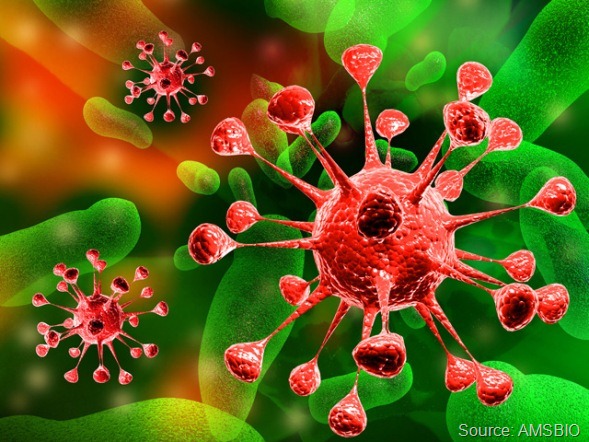
Virus.
AMSBIO's custom generation of stable cell lines includes cloning the gene or shRNA of interest into a safe lentiviral vector, generating the lentivirus and transducing into the cell line of your choice. The service allows you to choose a constitutive or inducible promoter, a tag, an antibiotic selection marker and a fluorescent marker. The ease of providing your target templates or choosing one from AMSBIO's cDNA collection ensures rapid turnaround.
With many years of experience the service can also provide mutagenesis and other special requests. The stably transduced, high expression cells are then selected, target integration is validated by genomic PCR, and the high-expression clone by Western Blot. Each customer receives two cryogenic preserved vials of stable cells and a final report.
Working closely with customers - AMSBIO's handles each stage of the process to ensure the delivery of high quality cells that are ready to use. AMSBIO's unique technology ensures a turnaround time as fast as 2 months for each cell line creation.
The AMSBIO lentiviral system is a gene delivery tool for gene expression or knockdown. Lentivirus can effectively transduce both dividing and non-dividing mammalian cells, and integrate into the host genome, allowing stable long-term, high-level gene expression both in vivo and in vitro.

AMSBIO's stable cell line generation service only use safe (self-inactivating) lentiviral particles to deliver your gene into a wide range of cell lines including primary and stem cells. Lentiviruses have been used to successfully generate a line of DNA repair knock-down cell lines that AMSBIO offers off the shelf from its product range.
For further information please visit http://www.amsbio.com/custom-lentivirus-service-inducible-shRNA-lentivirus.aspx or contact AMSBIO on +44-1235-828200 / +1-800-987-0985 or email info@amsbio.com.
Founded in 1987, AMS Biotechnology (AMSBIO) is recognised as a leading international provider of unique, innovative products & custom services for life sciences research. The AMSBIO range includes over 23,000 polyclonal & monoclonal antibodies, peptides, recombinant proteins, extracellular matrix, molecular detection reagents, & tissue DNA, RNA, protein & microarray products. Key research areas include: apoptosis, cell invasion & migration, cell signaling, DNA damage, 3D culture, electrophoresis, glycobiology, post-translational modification & stem cell biology.